Introduction
A liver cleanse is one of the most popular wellness topics today, largely because people are searching for natural ways to boost their energy, reduce inflammation, and feel lighter overall. Although the liver is a remarkably efficient detoxification organ, modern lifestyles expose it to far more stressors than ever before—processed foods, alcohol, environmental toxins, medications, and even chronic stress. As a result, many people look for ways to support liver function with practical, research-backed strategies.
It’s important to note that the liver detoxifies itself continuously, and no single food or supplement can magically “clean” it. Still, there are proven ways to help the liver work more efficiently. A liver cleanse is best understood not as a trendy quick fix, but as a collection of habits that lighten the liver’s workload and enhance its natural detoxification pathways. Eating nutrient-dense foods, staying hydrated, sleeping well, and reducing toxins can dramatically improve how the liver performs.
In this expanded guide, you’ll learn seven essential steps to follow during a liver cleanse, including supportive foods, beneficial herbs, helpful lifestyle changes, and the long-term habits that maintain liver vitality. With consistent effort, these steps can lead to improved digestion, sharper mental clarity, balanced hormones, and a noticeable increase in overall well-being.
Support Liver Cleanse Through Hydration
Water is fundamental to a successful liver cleanse because nearly every liver function requires adequate fluid intake. When you’re dehydrated, toxins become more concentrated, bile flow slows, and metabolic waste moves through the body sluggishly. Drinking enough water allows the liver to filter blood efficiently, break down fats, and produce bile to aid digestion.
For most adults, eight to ten cups of water daily is an ideal target. If you live in a hot climate, exercise frequently, or consume caffeine, you may need more. Herbal teas can also support hydration while offering liver-friendly benefits. Dandelion root tea, for example, has diuretic properties that help flush toxins. Ginger tea supports digestion and reduces inflammation. Warm lemon water first thing in the morning can stimulate bile flow and prepare the digestive system for the day.
Adding electrolytes is helpful during a liver cleanse as well, especially if you sweat often or find plain water unappealing. Natural electrolyte sources such as coconut water, sea salt, and mineral drops improve hydration without adding unnecessary sugars.
Incorporate Liver Cleanse-Friendly Foods
Food is one of the most powerful tools during a liver cleanse. The liver requires vitamins, minerals, antioxidants, and plant compounds to neutralize toxins and produce enzymes that keep metabolic processes running smoothly. The more nutrient-dense your diet, the more efficiently your liver performs.
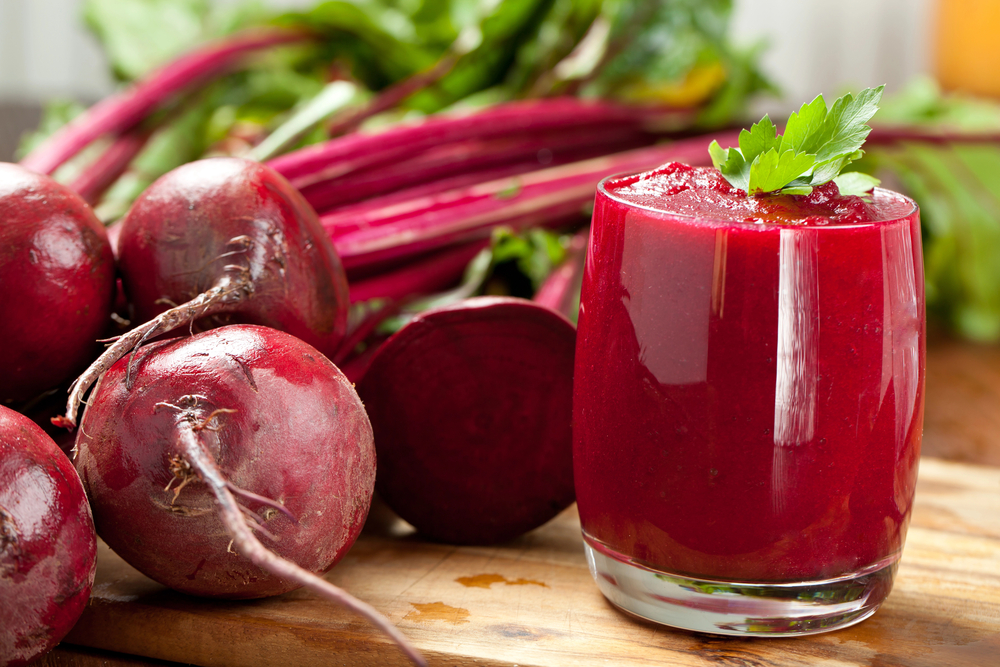
Cruciferous vegetables—broccoli, cauliflower, kale, Brussels sprouts, and cabbage—are particularly beneficial because they contain glucosinolates that help activate detoxifying liver enzymes. Leafy greens increase chlorophyll levels in the body, which can bind and remove heavy metals. Beets support bile production and help break down fats. Citrus fruits such as lemons, grapefruits, and oranges are rich in vitamin C, which strengthens antioxidant pathways.
Turmeric and garlic are two gold-standard ingredients for liver support. Turmeric contains curcumin, known for its anti-inflammatory and antioxidant effects. Garlic boosts glutathione production, a liver-protective compound essential during a liver cleanse. Adding these foods regularly—not just temporarily—creates powerful long-term benefits.
Reduce Sugar and Processed Foods During a Liver Cleanse
Sugar is one of the most harmful substances for liver health, especially in the form of fructose and high-fructose corn syrup. The liver must metabolize fructose on its own, and excessive intake can contribute to fat buildup, inflammation, and fatigue. Processed foods containing artificial flavors, preservatives, stabilizers, and refined oils further overwhelm the liver.
During a liver cleanse, reducing processed foods and added sugars allows the liver to redirect its energy toward critical detoxification functions. Replace sugary cereals, packaged snacks, fried foods, and sweetened drinks with whole foods such as fruits, vegetables, lean proteins, nuts, and seeds. This transition not only reduces toxin load but also helps stabilize blood sugar, reduce cravings, and promote weight balance.
Support Gut Health for a Stronger Liver Cleanse
The gut and liver form an interconnected system known as the gut-liver axis. When gut bacteria become imbalanced, toxins can pass through the intestinal lining and enter the bloodstream, forcing the liver to work harder. Supporting gut health is therefore essential for making your liver cleanse more effective.
Probiotics, which include beneficial bacteria such as Lactobacillus and Bifidobacterium, help maintain microbial balance and reduce inflammation. Prebiotics—fibers found in oats, bananas, onions, and asparagus—feed these bacteria, enabling them to thrive. Fermented foods like kimchi, sauerkraut, tempeh, and yogurt add even more beneficial microbes.
Adequate fiber intake, around 25 to 35 grams per day, helps bind toxins and reduce their reabsorption. A healthy gut improves digestion, strengthens immunity, and lightens the liver’s workload significantly.
Use Herbs and Supplements to Enhance Liver Cleanse Results
When used responsibly, herbs and supplements can strengthen the effects of a liver cleanse. Milk thistle is one of the most researched liver-supporting herbs; its active compound, silymarin, protects liver cells and helps regenerate damaged tissue. Dandelion extract improves bile production and enhances toxin removal. Artichoke leaf supports lipid metabolism and reduces oxidative stress.
Turmeric, particularly in standardized curcumin form, is highly anti-inflammatory and supports enzyme function. NAC (N-acetylcysteine) is another powerful supplement because it increases glutathione levels, which helps the liver neutralize harmful substances.
Although supplements can be extremely beneficial, they should not replace healthy lifestyle habits. Always consult a healthcare provider before adding herbs or supplements to ensure compatibility with medications or medical conditions.
Promote Liver Cleanse Benefits With Exercise
Exercise supports a liver cleanse by improving blood flow, oxygen delivery, and metabolic efficiency. When you move regularly, your body burns stored fat—including fat surrounding the liver. This helps prevent fatty liver disease and reduces inflammation.
Aerobic exercises like walking, swimming, and cycling improve circulation, which allows the liver to filter toxins more efficiently. Strength training increases muscle mass, improving insulin sensitivity and reducing the liver’s burden of processing excess glucose. Even gentle activities like yoga and stretching help relieve stress, which plays a major role in liver health.
Aim for at least 150 minutes of movement per week, combining cardio and resistance exercises for balanced benefits.
Prioritize Sleep to Maximize Liver Cleanse Efficiency
Sleep is one of the most underestimated elements of a liver cleanse. During deep sleep, the body shifts into repair mode, and the liver performs its heaviest detoxification work. Poor sleep disrupts hormones, increases inflammation, and slows metabolic processes, making it harder for the liver to function properly.
Most adults need seven to nine hours of consistent sleep each night. Improving sleep hygiene—going to bed at the same time daily, reducing screen exposure before bed, and keeping your room cool and dark—helps your body maintain its natural circadian rhythm.
Rest is not optional; it’s foundational for liver repair.
Avoid Alcohol While Doing a Liver Cleanse
Alcohol is metabolized almost entirely by the liver, and even moderate amounts can strain liver cells. It generates acetaldehyde, a toxic compound that contributes to inflammation and oxidative stress. During a liver cleanse, removing alcohol gives the liver a much-needed break, allowing it to focus on essential detoxification functions.
People often notice improved sleep, better digestion, reduced bloating, and enhanced clarity after 2–4 weeks without alcohol. For long-term liver health, consider reducing alcohol consumption even after the cleanse has ended.
Reduce Environmental Toxins to Strengthen Your Liver Cleanse
Everyday household items contain chemicals that increase the liver’s workload. Cleaning supplies, air fresheners, pesticides, plastics, hair products, and even some skincare formulas contain substances that must be processed through the liver.
Switching to natural alternatives makes your liver cleanse more effective and protects your liver long after the cleanse ends. Opt for glass instead of plastic, choose fragrance-free or essential-oil-based products, and ventilate your home regularly to reduce indoor toxins.
Conclusion
A liver cleanse is far more than a temporary detox trend—it’s a holistic approach to supporting the liver’s natural abilities. Hydration, nutrition, gut support, movement, quality sleep, low toxic exposure, and strategic supplements create a powerful foundation for long-term liver function. By consistently following these steps, you give your liver the environment it needs to regenerate, detoxify, and support every major system in the body. Over time, you’ll experience steadier energy, improved digestion, and a greater sense of overall vitality.