Introduction
Raw bars have become one of the most popular grab-and-go options for health-driven eaters who want convenience without sacrificing nutrition. These compact, no-bake snacks offer clean ingredients, impressive macronutrients, and the ability to fuel the body naturally through whole foods. As more people look for simple, energizing foods that support busy lifestyles, raw bars stand out as a reliable choice for fitness enthusiasts, office workers, students, and anyone seeking a balanced snack that satisfies cravings while delivering long-lasting energy.
What makes raw bars so appealing is their transparency. Unlike many processed packaged snacks loaded with artificial flavors, fillers, and preservatives, raw bars rely on nuts, seeds, fruits, and natural binders to create flavor and texture. This makes them not only nutrient-dense but also easy to digest. Whether you’re looking to support your workouts, maintain stable energy levels throughout the day, or simply enjoy a wholesome snack, raw bars can fit seamlessly into nearly every lifestyle.
In this comprehensive guide, you’ll learn what sets raw bars apart, the benefits they offer, tips for selecting the highest-quality options, and how to make your own at home. You’ll also find recommended ingredients, product examples, and insights into how raw bars compare to other snack options. By the end, you’ll have a complete understanding of how these simple, powerful snacks can support your wellness goals.
1. What Are Raw Bars?
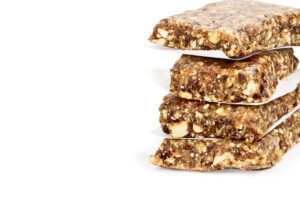
Raw bars are no-bake snack bars made from minimally processed whole foods. They typically include nuts, seeds, dates, dried fruits, and other clean ingredients that are not cooked or exposed to high heat. By keeping ingredients raw or gently processed, raw bars preserve more vitamins, minerals, antioxidants, and enzymes.
Most raw bars follow a simple formula:
-
Base ingredient: often dates, figs, or nut butter
-
Crunch elements: almonds, walnuts, cashews, sunflower seeds
-
Flavor accents: cacao nibs, coconut flakes, cinnamon, vanilla
-
Binders: natural sticky fruits or nut butters
Because they’re not baked, the textures remain naturally dense, chewy, and satisfying.
The beauty of raw bars lies in their simplicity. They contain few ingredients, often recognizable at a glance. For health-conscious consumers, this transparency is a major advantage.
2. Benefits of Raw Bars
Raw bars offer a wide range of benefits that appeal to diverse dietary needs and wellness goals.
High in Nutrients
Raw ingredients retain more micronutrients, phytonutrients, and enzymes than baked or processed snacks. This makes raw bars an excellent source of natural vitamins, minerals, and antioxidants.
Clean Energy
With balanced ratios of healthy fats, plant-based protein, and natural carbohydrates, raw bars provide long-lasting, stable energy. The natural sugars from dates or fruits digest slowly, preventing energy crashes.
Diet-Friendly Options
Most raw bars are naturally:
-
Gluten-free
-
Vegan
-
Dairy-free
-
Soy-free
-
Refined-sugar-free
This makes them suitable for people with food sensitivities or those who follow specific lifestyle diets.
Convenient and Portable
They’re easy to keep in a gym bag, desk drawer, or backpack. Because raw bars don’t melt or crumble easily, they travel well and last for weeks when properly packaged.
3. Raw Bars vs. Regular Snack Bars
Many snack bars on the market claim to be “healthy,” but closer inspection often reveals added sugars, artificial flavors, or unnecessary fillers. Here’s how raw bars compare:
Processing
-
Raw bars: minimally processed, never baked
-
Traditional snack bars: often baked, extruded, or heavily processed
Ingredients
-
Raw bars: fruits, nuts, seeds, spices
-
Traditional bars: added sugars, oils, stabilizers, syrups
Nutrition
Because heat can degrade certain vitamins and enzymes, raw bars often retain more natural nutrition.
Taste
Raw bars offer a fresh, earthy, natural sweetness, while processed bars often rely on artificial sweetness and additives.
4. How to Choose High-Quality Raw Bars
When shopping for the best raw bars, consider these factors:
1. Short Ingredient List
Look for products with ingredients you recognize. Fewer than 10 items is ideal.
2. No Added Sugar
The only sweetness should come from whole fruits like dates or figs.
3. Healthy Fats
Raw nuts and seeds provide anti-inflammatory fats and plant-based protein.
4. No Preservatives
Artificial preservatives defeat the purpose of clean eating.
5. Cold-Pressed or Raw-Processed
This ensures nutrients haven’t been lost to heat.
A high-quality raw bar should feel fresh, dense, and rich—not dry or overly sticky.
5. Top Ingredients to Look for in Raw Bars
Certain ingredients appear frequently in raw bars because they provide essential nutrients and excellent texture. Here are some of the best:
Dates
Rich in fiber and potassium, they bind raw bars together naturally.
Cashews
Provide creaminess and healthy monounsaturated fats.
Almonds
Add crunch and offer vitamin E, magnesium, and protein.
Chia Seeds
Boost omega-3 fatty acids and support digestion.
Cacao Nibs
Deliver antioxidants and a chocolate-like flavor without added sugar.
Coconut Flakes
Offer healthy fats and natural sweetness.
When making bars at home, using a variety of these ingredients ensures flavor, texture, and balanced nutrition.
6. How to Make Homemade Raw Bars
Making your own raw bars ensures full control over ingredients, sweetness, and flavor combinations. Here’s a simple method:
Step 1: Choose Your Base
2 cups of pitted dates or a mix of dates and dried figs.
Step 2: Add Your Nuts and Seeds
1–2 cups of almonds, cashews, walnuts, sunflower seeds, or pumpkin seeds.
Step 3: Add Flavor
Cacao nibs, vanilla extract, cinnamon, shredded coconut, or natural nut butter.
Step 4: Blend
Use a food processor to mix until the consistency is sticky and moldable.
Step 5: Press and Refrigerate
Press the mixture into a parchment-lined pan and chill for 2–3 hours.
Step 6: Slice and Store
Cut into bars and store in the refrigerator for up to two weeks.
Homemade raw bars allow endless creativity and customization while ensuring freshness.
7. Flavor Ideas for Homemade Raw Bars
Here are some popular flavor combinations:
-
Chocolate Almond Crunch – cacao, almonds, dates
-
Coconut Cashew Bliss – coconut flakes, cashews, vanilla
-
Peanut Butter Energy – peanut butter, oats, dates
-
Berry Antioxidant – dried blueberries, chia seeds, almonds
-
Mocha Espresso Boost – espresso powder, cacao nibs, walnuts
These combinations highlight why raw bars are so popular—they can suit almost any flavor preference.
8. Who Should Eat Raw Bars?
Raw bars are ideal for:
Athletes
They provide quick carbs, plant-based protein, and steady energy before workouts.
Busy Professionals
They make an excellent mid-day pick-me-up.
Students
Packed with brain-supporting nutrients like healthy fats and magnesium.
Vegans and Vegetarians
Raw bars offer natural, whole-food plant-based nutrition.
People with Food Sensitivities
Gluten-free, dairy-free, and soy-free options are widely available.
9. Best Times to Eat Raw Bars
Timing can help you maximize the benefits of raw bars:
Morning
A quick breakfast replacement when combined with fruit or tea.
Pre-Workout
Natural sugars fuel your workout without digestive discomfort.
Mid-Afternoon
Perfect for maintaining energy between meals.
Travel and Outdoor Activities
They pack easily and stay fresh in various conditions.
10. Final Thoughts: Why Raw Bars Deserve a Place in Your Diet
Raw bars are one of the most versatile, nutritious, and convenient snacks available today. With whole-food ingredients, balanced macronutrients, and no artificial additives, they offer a powerful way to nourish your body while satisfying cravings. Whether you prefer store-bought varieties or homemade creations, raw bars make it easy to support your wellness journey every single day.
Their simplicity, flexibility, and nutrient density make them truly stand out among snack choices. With so many flavors, ingredients, and styles to choose from, everyone can find a raw bar that supports their lifestyle and tastes great. Adding raw bars to your routine is a small change that can make a meaningful difference in energy, nutrition, and overall health.
References
-
https://nutritionfacts.org/topics/nuts/